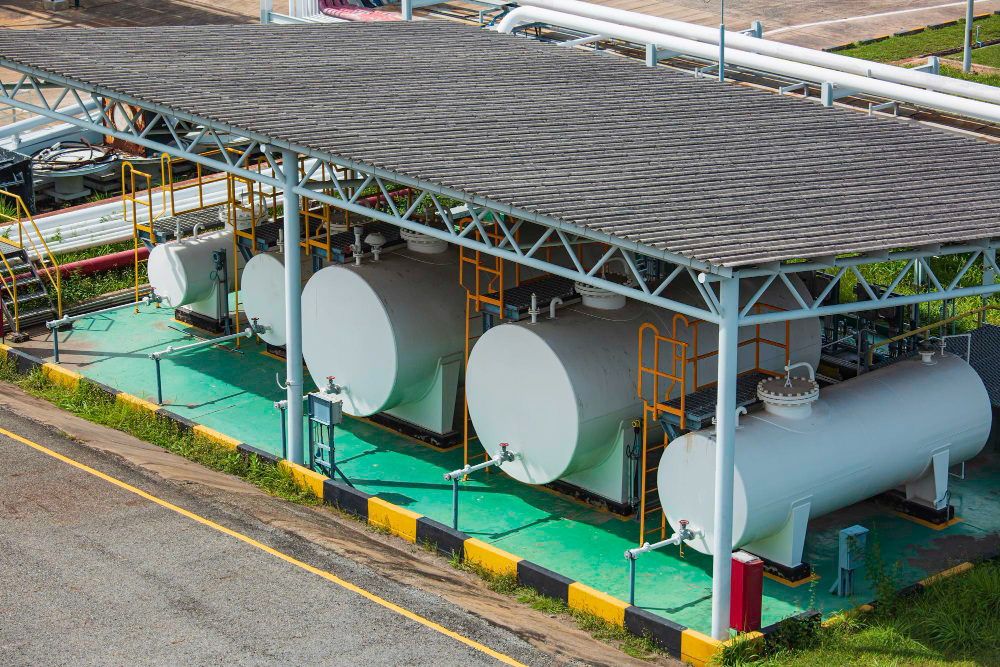
How To Safely Store Diesel Fuel For Your Farm
Quick Summary
Proper fuel storage plays a major role in farm productivity, equipment performance, and workplace safety. Gasoline and diesel can lose quality when exposed to moisture, heat, contaminants, or poor storage conditions. Farms that use approved containers, maintain storage tanks, inspect fuel regularly, and follow safe handling practices often reduce equipment problems and fuel waste. A well-managed storage setup also helps agricultural operations stay prepared during busy planting and harvest seasons while protecting machinery investments over the long term.
Modern farms rely on fuel every day to keep tractors, combines, irrigation systems, generators, and transport vehicles operating without interruption. Fuel problems rarely appear at convenient times, and poor storage conditions can create expensive equipment repairs, operational delays, and unnecessary waste. Learning how to properly store fuel for your farm helps agricultural operations protect fuel quality, improve safety, and maintain reliable equipment performance throughout every season.
Farms that manage fuel storage carefully often experience fewer mechanical issues, cleaner fuel systems, and more organized fuel scheduling. Good storage practices also help reduce contamination, evaporation loss, and handling risks across large agricultural properties.
Why Proper Farm Fuel Storage Matters
Fuel powers nearly every stage of agricultural work. From field preparation and irrigation to transportation and harvesting, daily operations depend on consistent access to clean gasoline and diesel fuel. Improper storage creates problems that affect both equipment and productivity.
Diesel fuel exposed to water can develop microbial growth and sludge buildup inside storage tanks. Gasoline stored in unstable conditions may break down faster, reducing engine efficiency and causing ignition problems. Leaks, spills, and vapor buildup can also create fire hazards that place workers and equipment at risk.
Proper fuel storage helps farms:
- Maintain fuel quality for longer periods
- Reduce equipment downtime
- Lower repair costs caused by contamination
- Improve workplace safety
- Simplify fuel inventory management
- Protect engines from premature wear
Choosing the Right Fuel Storage Containers
The first step in proper fuel storage involves selecting approved tanks and containers designed specifically for gasoline or diesel. Using the wrong container can increase leakage risks and contamination problems.
For gasoline storage, farms should use certified fuel containers made from durable materials resistant to corrosion and cracking. Containers should seal tightly while still allowing proper ventilation.
Diesel storage often requires larger bulk tanks constructed from steel, fiberglass, or heavy-duty polyethylene. Double-wall tanks add another layer of protection by reducing leakage risks and helping contain spills.
Tank size depends on farm fuel usage, delivery schedules, and seasonal demand. Larger operations may require bulk storage systems capable of handling several weeks of agricultural fuel usage during planting and harvesting periods.
Store Fuel in a Cool and Stable Environment
Temperature changes can affect fuel stability over time. Excessive heat accelerates evaporation in gasoline and may contribute to vapor buildup inside storage systems.
Fuel storage tanks should remain in shaded or temperature-controlled areas whenever possible. Many farms paint above-ground storage tanks lighter colors to reduce heat absorption from direct sunlight.
Location also matters for long-term safety and fuel quality. Storage areas should sit on stable, level ground with proper drainage to prevent standing water near tanks. Fuel tanks should remain away from buildings, ignition sources, and heavy traffic areas.
Prevent Water Contamination in Diesel Fuel
Water contamination remains one of the most common causes of diesel fuel problems on farms. Moisture enters tanks through condensation, damaged seals, loose caps, or poor drainage conditions.
Even small amounts of water can damage diesel quality and create sludge buildup inside tanks and fuel systems. Water contamination may also lead to microbial growth that clogs filters and damages engines.
Farms can reduce contamination risks by:
- Inspecting tank seals regularly
- Draining accumulated water from storage tanks
- Installing water separators
- Keeping fill caps tightly secured
- Monitoring tanks after heavy rainfall
Routine inspections help identify moisture problems before they affect tractors, combines, irrigation systems, or generators.
Monitor Fuel Levels Consistently
Running out of fuel creates more than scheduling issues. Empty diesel tanks can pull air into fuel systems, increasing the chance of line contamination and equipment startup problems.
Farms that monitor storage levels regularly often avoid emergency fuel shortages during busy field operations. Some agricultural operations use automatic tank monitoring systems that track fuel levels in real time and help schedule deliveries before supplies become too low.
Accurate fuel tracking also improves budgeting and inventory management. Operations can better estimate seasonal fuel demand while identifying periods of unusually high fuel consumption.
Use Fuel Filtration Systems
Fuel quality directly affects engine performance. Dirt, moisture, and debris inside storage tanks may eventually reach farm equipment if filtration systems are neglected.
Installing quality filtration equipment helps remove contaminants before fuel enters machinery. Clean fuel improves combustion, protects injectors, and reduces long-term engine wear.
Farms should inspect and replace filters according to manufacturer recommendations. Older filters may restrict fuel flow or fail to remove contaminants effectively.
Practice Safe Fuel Handling Procedures
Proper storage alone does not eliminate fuel-related risks. Daily handling practices also influence safety and equipment reliability across agricultural properties.
Farm workers should avoid smoking or using open flames near fuel storage systems. Static electricity can also create ignition hazards during fuel transfers.
Safe handling practices include:
- Wearing gloves and eye protection during transfers
- Grounding tanks and dispensing equipment
- Cleaning spills immediately
- Using designated transfer equipment
- Keeping fire extinguishers nearby
Spill cleanup kits should remain accessible near all fuel storage areas. Fast response to leaks or spills helps reduce environmental damage and workplace hazards.
Inspect Storage Tanks Regularly
Fuel storage systems require regular inspections to maintain safe and reliable operation. Small leaks or structural issues may develop gradually and become more expensive if ignored.
Routine inspections should include:
- Checking tanks for rust or corrosion
- Inspecting hoses and fittings
- Examining containment areas
- Looking for fuel stains or odors
- Monitoring gauges and valves
How Aero Energy Helps Farms Manage Fuel Storage and Delivery
At Aero Energy, we work with farms across Pennsylvania and Maryland to simplify fuel management through dependable farm and agricultural fuel delivery services. Our employee-owned team delivers diesel, propane, heating oil, and agriculture commercial fuels backed by more than 90 years of regional experience. We help agricultural operations maintain reliable fuel access, organized delivery schedules, and responsive service that keeps equipment prepared throughout every season.
Contact Aero Energy today to schedule dependable farm and agricultural fuel delivery, backed by responsive local service and organized fuel planning.
FAQs
How long can diesel fuel stay in a farm storage tank?
Diesel fuel may remain usable for several months when stored properly in clean, sealed tanks protected from moisture and temperature extremes. Regular inspections and filtration help maintain fuel quality longer.
What is the safest place to store gasoline on a farm?
Gasoline should remain in approved containers stored in cool, ventilated areas away from direct sunlight, buildings, sparks, and ignition sources.
Why does water build up inside diesel storage tanks?
Condensation, damaged seals, and poor drainage commonly allow moisture into diesel tanks. Water contamination may lead to microbial growth and fuel system problems.