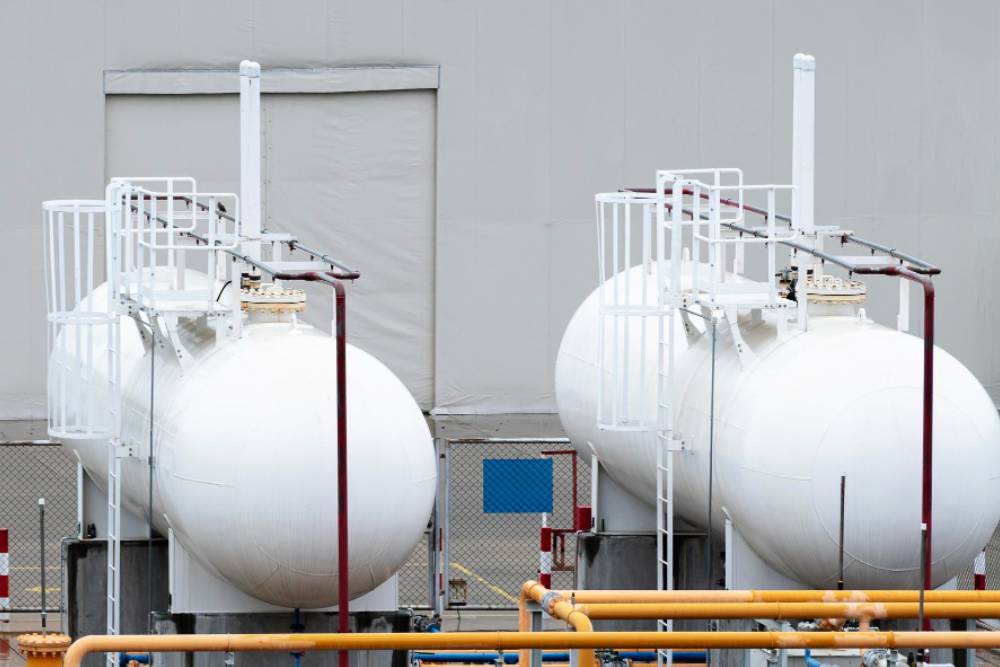
What Business Owners Can Expect From Commercial Propane Tank Installation
Quick Summary
Commercial propane tank installation involves site evaluations, tank sizing, permitting, safety planning, fuel line installation, and long-term delivery scheduling. Businesses use propane systems for heating, equipment operation, generators, cooking, and industrial applications. Working with experienced commercial propane tank installers helps companies improve fuel access, maintain operational efficiency, and prepare facilities for changing seasonal fuel demands. Proper installation planning also helps businesses manage safety compliance and future fuel usage more effectively.
Businesses across multiple industries rely on propane to manage heating, cooking, manufacturing, agricultural operations, and backup power systems throughout the year. Commercial propane tank installation plays a major role in maintaining steady fuel access for facilities that depend on reliable energy management every day. From warehouses and restaurants to farms and industrial properties, business owners benefit from understanding how installation projects work before equipment arrives on-site.
Learning about tank sizing, property preparation, safety requirements, and long-term fuel planning helps businesses avoid delays and make more informed operational decisions during commercial propane installation projects.
Why Businesses Install Commercial Propane Tanks
Many commercial properties require fuel systems capable of handling large operational demands throughout the year. Propane offers flexibility because businesses can use it across multiple systems, including heating equipment, commercial kitchens, generators, forklifts, water heaters, and industrial machinery.
Unlike utility-dependent fuel sources, propane storage systems allow businesses to maintain on-site fuel access directly at their facilities. This setup works especially well for rural properties, agricultural operations, construction sites, and businesses located outside natural gas infrastructure areas.
Commercial propane installation also allows companies to scale fuel storage according to operational demand. Businesses can install larger tanks for high-volume operations or multiple tanks for facilities managing seasonal fuel usage fluctuations.
Many businesses choose propane because centralized fuel management simplifies operational planning across different departments and equipment systems.
The Initial Property Evaluation Process
Before commercial propane tank installers begin an installation project, the property usually undergoes a detailed site evaluation. This process helps determine where tanks can safely operate while meeting local regulations and fuel access requirements.
Installers evaluate several property conditions during this phase, including:
- Available installation space
- Distance from buildings and ignition sources
- Accessibility for delivery vehicles
- Ground stability and drainage
- Existing utility infrastructure
- Fuel demand requirements
The evaluation also helps identify placement options for underground or above-ground propane tanks depending on operational preferences and property layout.
Businesses with limited space may require customized installation plans that balance accessibility, safety clearance requirements, and equipment proximity.
Tank Sizing Depends on Fuel Usage
One of the most important parts of commercial propane tank installation involves selecting the proper tank size. Tank sizing directly affects fuel availability, delivery frequency, and operational efficiency.
Commercial properties use propane differently depending on industry requirements. Restaurants may use propane primarily for cooking and water heating, while agricultural operations may use it for grain drying, greenhouse heating, and equipment fueling.
Installers calculate tank sizing based on several factors:
- Total propane-powered equipment
- Seasonal fuel demand
- Daily operating hours
- Building size
- Heating requirements
- Emergency backup usage
Larger businesses may install bulk propane storage systems capable of handling high fuel demand throughout peak operating seasons. Smaller facilities may use compact storage systems designed around moderate operational usage.
Selecting the right size helps businesses avoid excessive delivery interruptions or unnecessary storage limitations.
Understanding Above-Ground and Underground Tanks
Businesses typically choose between above-ground and underground propane tank systems depending on property needs and operational goals.
Above-ground tanks remain common for commercial applications because installation usually takes less time and future maintenance access stays more convenient. These tanks also simplify inspections and system modifications if fuel demand changes later.
Underground propane tanks offer a lower visual profile and may work better for businesses focused on preserving landscaping or customer-facing aesthetics. Hotels, event venues, restaurants, and office complexes sometimes prefer underground systems for this reason.
However, underground installations often involve additional excavation work and drainage planning. Soil conditions and groundwater levels may also influence installation feasibility.
Commercial propane tank installers help businesses compare these options based on property layout, operational needs, and long-term maintenance considerations.
Permits and Safety Regulations
Commercial propane installation projects must comply with local codes, environmental regulations, and fuel system safety requirements. Permit approvals vary depending on tank size, property type, and municipal regulations.
Installers generally coordinate permit applications and inspection scheduling during the installation process. Businesses should still understand that approval timelines may affect project scheduling.
Safety regulations often include:
- Minimum setback distances
- Tank placement standards
- Fuel line requirements
- Emergency shutoff access
- Ventilation requirements
- Leak testing procedures
Commercial facilities may also require coordination with fire departments, utility companies, or local code enforcement offices before installation begins.
Working with experienced commercial propane tank installers helps businesses avoid common compliance issues that could delay project completion.
Fuel Line Installation and System Connections
After tank placement, installers connect fuel lines between the propane storage system and the equipment or appliances using propane fuel.
Commercial propane systems may connect to:
- Heating systems
- Boilers
- Commercial kitchens
- Water heaters
- Generators
- Manufacturing equipment
- Agricultural drying systems
Fuel line routing depends on building layout, equipment placement, and safety code requirements. Installers pressure-test lines before activating the system to confirm safe operation.
Larger commercial properties sometimes require multiple regulators and distribution points to maintain consistent fuel pressure across different systems operating simultaneously.
Delivery Access and Fuel Scheduling
Commercial propane tank installation involves more than placing storage equipment on-site. Businesses also need practical fuel delivery access throughout the year.
Delivery vehicles require adequate clearance and safe access routes for recurring fuel deliveries. Installers evaluate road access, turning space, weather exposure, and tank proximity during the planning process.
Many commercial operations schedule automatic propane deliveries based on fuel consumption patterns. Tank monitoring systems may also track propane levels remotely to improve scheduling accuracy.
Reliable fuel scheduling becomes especially important for businesses operating continuously, including healthcare facilities, farms, manufacturing operations, and food service businesses.
Companies using propane and heating oil for businesses often coordinate multiple fuel schedules throughout different facilities and operational departments.
Keep Your Business Prepared With Reliable Commercial Fuel Services
At Aero Energy, we help businesses across Pennsylvania and Maryland manage commercial propane installation, heating oil delivery, HVAC services, and propane and heating oil for businesses with responsive local service and dependable fuel scheduling. Our employee-owned company brings more than 90 years of regional experience helping commercial properties maintain reliable energy access throughout every season.
Contact Aero Energy today to discuss commercial propane tank installation options tailored to your facility and operational needs.
FAQs
How long does commercial propane tank installation take?
Installation timelines vary based on tank size, permitting requirements, site preparation, and fuel line complexity. Some projects take several days, while larger systems may require additional scheduling.
What size propane tank does a commercial property need?
Tank size depends on fuel usage, equipment demand, operating hours, and seasonal consumption patterns. Commercial propane tank installers evaluate these factors during the planning process.
Can businesses install underground propane tanks?
Yes. Many commercial properties use underground propane tanks for aesthetic reasons or space limitations. Soil conditions and property layout affect installation feasibility.