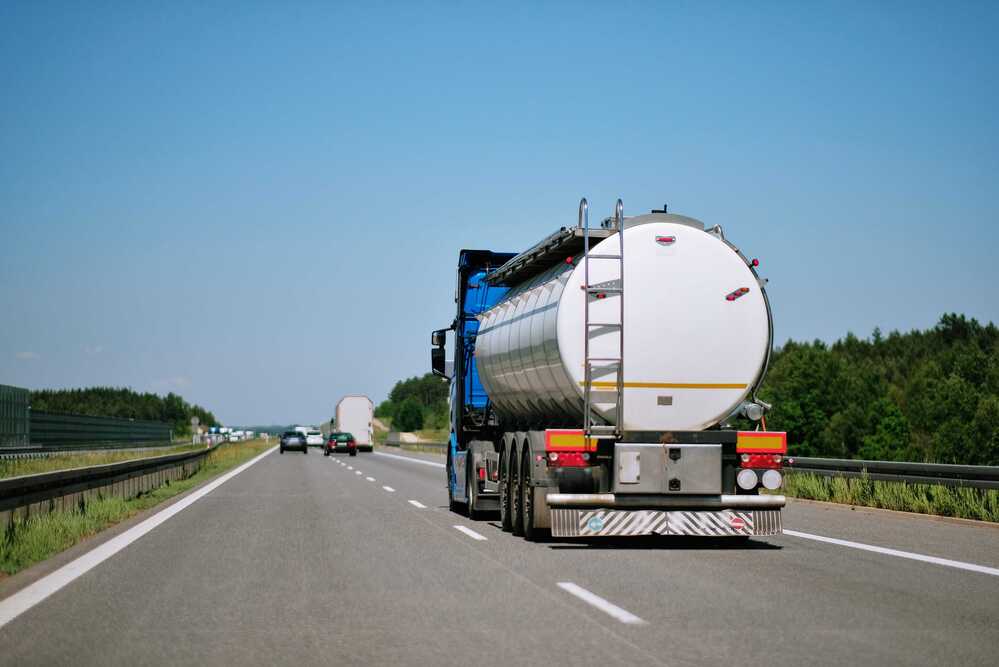
Off-Road Diesel Delivery: The Convenient Way To Fuel Your Job Site
Quick SummaryOff-road diesel delivery eliminates the time and logistical cost of transporting equipment to off-site fueling locations, keeping construction, agricultural, and industrial operations running without fuel-related interruptions. On-site storage tanks combined with scheduled or automatic delivery programs give businesses a fuel supply infrastructure that scales to their equipment load and site conditions. Proper delivery documentation from a qualified supplier also simplifies the tax compliance process for off-road diesel’s exempt status. For remote or high-consumption sites, on-site delivery is not a convenience option but an operational requirement. |
Heavy equipment burns through diesel at a rate that most job site managers feel constantly. An excavator running a full shift, a generator powering a remote site, a fleet of skid steers working in rotation, each machine demands fuel on a schedule that rarely aligns neatly with the nearest pump. Off-road diesel delivery solves this by bringing the fuel to the equipment rather than the other way around.
For construction, agriculture, and industrial operations, on-site delivery is not a convenience upgrade. It is a practical necessity for keeping productivity where it needs to be.
What Off-Road Diesel Delivery Actually Involves
Off-road diesel fuel delivery is the process of transporting dyed, tax-exempt diesel directly to a customer’s location using a tanker or bobtail truck equipped for on-site fueling. Drivers can fill individual equipment tanks, top off on-site storage tanks, or fuel an entire fleet in a single visit, depending on the operation’s setup.
The delivery driver does not simply drop fuel and leave. A qualified driver monitors fuel levels, checks storage tanks for water or contamination, and documents the delivery accurately for compliance purposes. This documentation matters for tax records, since off-road diesel’s tax-exempt status requires businesses to maintain accurate fuel use logs that distinguish off-road equipment from on-road vehicles.
Why On-Site Fueling Outperforms Pump Trips
The time cost of driving equipment or vehicles to an off-site fueling station is rarely calculated explicitly, but it adds up fast. A single equipment operator spending twenty minutes each way to fuel a machine loses nearly an hour of productive time per fill-up. Across a five-machine job site over a two-week project, that lost time becomes substantial.
Beyond time, driving heavy equipment to off-site fuel sources is often impractical or impossible. An excavator, crane, or large generator cannot travel on public roads to reach a pump. These machines depend entirely on fuel coming to them, which makes off-road diesel delivery the only functional solution rather than a premium option.
Remote job sites in rural Pennsylvania and Maryland compound this challenge. Sites located miles from the nearest truck stop or fuel depot face even longer fueling delays without on-site delivery arrangements.
Industries That Rely on Off-Road Diesel Delivery
Construction is the most prominent consumer of delivered off-road diesel. Any project involving grading, excavation, demolition, or heavy lifting depends on diesel-powered equipment that cannot stop for routine fuel runs without disrupting the project timeline. General contractors managing multiple subcontractors on a single site benefit from centralizing fuel through a single delivery arrangement rather than leaving each subcontractor to manage their own supply independently.
Agriculture runs on off-road diesel throughout planting, growing, and harvest seasons. Tractors, combines, grain dryers, and irrigation systems all consume diesel at rates that make frequent delivery schedules a normal part of farm operations. During harvest, a delayed fuel delivery means idle machinery at exactly the moment when weather windows are narrowest and timing matters most.
For businesses using propane and heating oil for businesses alongside diesel, coordinating multiple fuel deliveries through a single supplier simplifies site logistics considerably. One point of contact for scheduling, billing, and delivery coordination reduces the administrative load on site managers.
Mining and quarrying operations use large-scale diesel equipment in environments that are entirely incompatible with off-site fueling. Industrial generators at remote power facilities require regular diesel delivery as well, particularly when those generators serve as primary or backup power for locations not connected to the electrical grid.
On-Site Storage: The Backbone of Reliable Fueling
Many job sites and agricultural operations use on-site storage tanks as the foundation of their fueling system. A 500 to 1,000-gallon above-ground tank accepts periodic bulk deliveries and dispenses fuel to equipment as needed, rather than requiring the delivery truck to be on-site every time a machine needs fuel.
Tank sizing depends on the site’s daily consumption and acceptable delivery frequency. A site burning 300 gallons per day benefits from a 1,000-gallon tank that accommodates roughly three days of buffer between deliveries. High-consumption sites running multiple large machines may require 2,000-gallon or larger tanks to avoid daily delivery dependency.
On-site tanks require basic management: water monitoring, filter maintenance, and level checks to avoid running out during peak periods. A reliable off-road diesel delivery supplier will track delivery history and flag when consumption patterns suggest a tank size adjustment is warranted.
Emergency and Scheduled Delivery Options
Fuel delivery programs fall into two broad categories: scheduled and emergency. Scheduled delivery arrangements set regular intervals based on expected consumption, giving the business predictable fuel access without constant monitoring. Emergency delivery fills the gap when unexpected demand or a delayed scheduled delivery leaves a site short.
Not every commercial supplier offers responsive emergency delivery, particularly for sites in rural or hard-to-reach areas. Before committing to a delivery arrangement, businesses should confirm that the supplier can realistically respond within an acceptable window if an unplanned outage occurs.
Compliance and Tax Documentation
Because off-road diesel carries a tax exemption, businesses must maintain records demonstrating that the fuel was used exclusively in qualifying equipment. A professional off-road diesel fuel delivery supplier provides delivery receipts that document the fuel type, quantity, delivery location, and date, creating the paper trail needed for tax compliance without extra administrative work on the customer’s side.
Keep Your Equipment Running With Aero Energy
At Aero Energy, we deliver off-road diesel to job sites and commercial operations throughout Pennsylvania and Maryland. Our team handles the scheduling, documentation, and on-site logistics so your operators can stay focused on the work. With over 90 years of commercial fuel experience and a reputation built on showing up reliably, we are the kind of fuel partner job sites actually need.
Contact Aero Energy to set up off-road diesel delivery for your operation.
FAQs
How quickly can off-road diesel be delivered to a job site?
Delivery lead times vary by supplier and location. Most commercial suppliers can accommodate scheduled deliveries within one to two business days. Emergency delivery availability depends on the supplier’s capacity and your site’s geographic accessibility.
What tank size is recommended for a mid-sized construction site?
A mid-sized construction site running three to five pieces of heavy equipment typically benefits from a 500 to 1,000-gallon on-site storage tank. The right size depends on daily consumption, the site’s duration, and acceptable delivery frequency.
Is off-road diesel delivery available for temporary or short-term projects?
Yes. Many commercial diesel suppliers accommodate short-term project accounts. Some require a minimum order volume or delivery frequency commitment, while others offer flexible arrangements for seasonal or project-based customers.