
How Much Are Generac Generators?
Quick Summary: The cost of a Generac generator depends first on the type you choose. Portable units cost much less than whole-house standby generators, which also need professional installation, a fuel connection and usually a transfer switch. Output, fuel type, site work and permits all move the final total as well. Because every home is different, a site visit from a licensed installer gives the most reliable picture of what your own project will cost.
When the lights go out, most families start wondering what backup power would take. At Aero Energy, an employee-owned company that has served Pennsylvania and Maryland since 1929, we hear the cost question often, and the honest answer starts with a few choices. Our guide to home generators covers the basics, and this article focuses on what shapes the price of a Generac unit.
We do not quote a single number here, because a figure that fits one house can be far off for the next. Instead, this guide walks through the pieces that add up to your total, so you can plan with confidence and ask the right questions.
What Affects the Price of a Generac Generator?
Four things do most of the work: the type of generator, how much power it produces, the fuel it runs on, and what it takes to install it. Change any one of them and the total moves.
The type matters most. A portable generator is a self-contained machine you move into place when you need it. A home standby generator is a permanent system that sits outside the house and starts by itself when the power drops. The second is a larger investment, and it also comes with more to plan.
Output comes next. A unit sized to run a few essentials costs less than one built to carry a whole house, including central air and an electric range. Fuel and installation then add their own pieces, which the sections below cover in turn.
Portable Generators Versus Home Standby Generators
Portable generators suit people who want to keep a refrigerator, a few lights and some small devices running for a day or two. You set them up outside, fuel them and connect what you need. They are the lower-cost route, and the trade-off is effort: someone has to start the machine, keep it fueled and manage the cords.
Standby generators work differently. They connect to your home’s electrical system through a transfer switch and run on a permanent fuel supply such as propane or natural gas. When the utility power fails, the system senses it and starts on its own, so the house keeps running whether you are home or away.
That convenience is why many homeowners in storm-prone and rural areas lean toward standby. It is also why the project involves more steps, more parts and licensed trades, all of which show up in the cost.
Sizing: Why Output Changes the Cost
A larger generator generally costs more to buy and more to install. The goal is to match the machine to the loads you really want to power, rather than paying for more capacity than you will use.
Start by listing what matters most during an outage. For many families that means the furnace or boiler, the well pump if there is one, the refrigerator and freezer, a few lights and the internet router. Adding central air conditioning, an electric dryer or an electric water heater raises the number quickly.
A licensed installer can walk through your electrical panel and total those loads properly. That assessment also protects you from the opposite mistake, which is buying a unit that struggles under the demand you place on it.
Installation Costs to Plan for
With a standby generator, the unit is only part of the bill. Installation often accounts for a large share of the project, and it varies more from home to home than the generator itself.
Expect the work to include a few pieces:
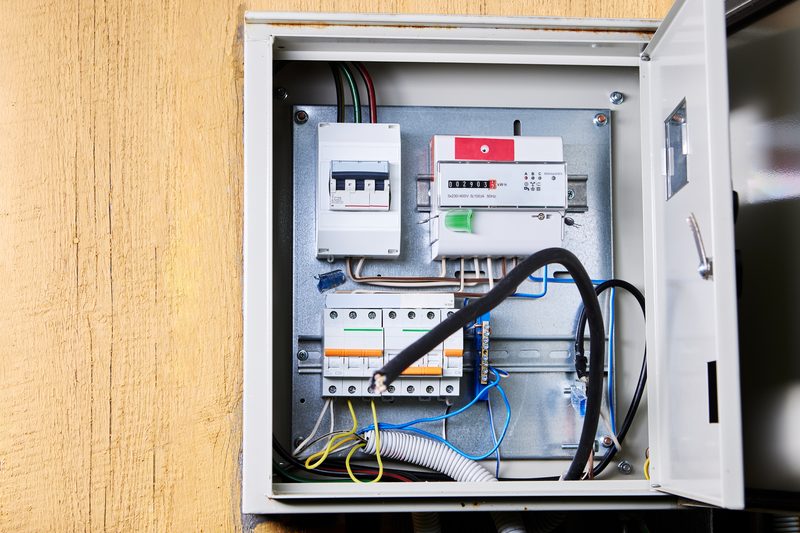
- A transfer switch, which safely moves your home between utility power and the generator.
- A level pad or base, placed at a safe distance from windows, doors and the building itself.
- Electrical wiring from the generator to your panel.
- A fuel line connection and, for propane, a properly sized tank.
- Permits and inspections required where you live.
Distance matters too. The farther the generator sits from the electrical panel and the fuel source, the more wire and piping the job needs. Trenching across a lawn or driveway adds labor.
Because generators involve live electricity and regulated fuel, this is work for licensed professionals. Aero Energy offers home generator installation, so the electrical and fuel pieces can be planned together by people who handle both every day.
Running Costs
Standby generators typically run on propane or natural gas, and the choice affects both setup and ongoing expense. Natural gas depends on a line to your street, which not every home has. Propane is stored in a tank on your property, which makes it a common choice in areas without gas mains.
If you go with propane, you will want to think about the tank and about how deliveries work. Our overview of the cost to fill a propane tank explains what shapes that number, and our article on propane delivery costs covers what to expect in Pennsylvania.
A generator also needs regular upkeep, like oil and filter changes and periodic inspections. Setting aside a little for maintenance keeps a unit ready for the day you need it, and it helps the system last.
Ways To Plan Your Budget
A few habits make the process smoother. First, decide what you need to keep running, since that settles the size and, in turn, much of the price. Second, ask for a site visit, because the layout of your yard, panel and fuel supply changes the work.
Third, ask exactly what each estimate includes. Some quotes cover the generator alone, while others include the transfer switch, pad, wiring, fuel connection and permits. Comparing like with like keeps the numbers honest.
Finally, think about timing. Installers get busy before storm and winter seasons, so starting the conversation early gives you more room to plan and to choose the right setup without pressure.
FAQs
What is the lifespan of a Generac home generator?
A well-kept standby generator can serve a home for many years, but the number depends on how often it runs, how it is maintained and the conditions around it. Regular service visits and a quick weekly self-test cycle are what keep a unit dependable.
Can I install a generator myself?
A portable unit only needs to be placed safely outdoors, with no wiring to the house. A standby generator is a different story, since it connects to your home’s panel and fuel line. Those connections should be made by licensed professionals, and permits are often required.
Are portable generators safe to use?
They are safe when used as directed. Run them outdoors, well away from windows, doors and vents, because exhaust contains carbon monoxide. Keep them dry, let them cool before refueling, and store fuel safely.
Can I just plug a generator into an outlet?
No. Plugging a generator into a wall outlet can send power back onto utility lines and put line workers and neighbors at risk. For individual items, use properly rated extension cords, or ask a licensed electrician about a safe way to power your home’s circuits.
Contact Aero Energy to talk through backup power for your home. We will help you sort out what fits your needs and your budget, with no pressure.