
Underground Propane Tanks
Quick Summary: An underground propane tank is a buried fuel tank that stores propane out of sight and leaves your yard open for lawn, garden and play. It suits homeowners who want a cleaner look and added protection from weather and bumps, and it works with the same furnaces, stoves and water heaters as an above-ground tank. Whether burying makes sense depends on your soil, local code and a safe way to reach the tank for filling and inspection, so a licensed installer should assess the site first.
Plenty of homeowners dislike the look of a big tank beside the house, and an underground propane tank offers a way to keep the fuel and lose the view. At Aero Energy, an employee-owned company that has served Pennsylvania and Maryland since 1929, we talk with families about this choice often.
It is a good option for the right property, and it comes with a few trade-offs that are worth understanding before you decide. If you are still comparing options, our overview of types of propane tanks for residential use is a useful place to start.
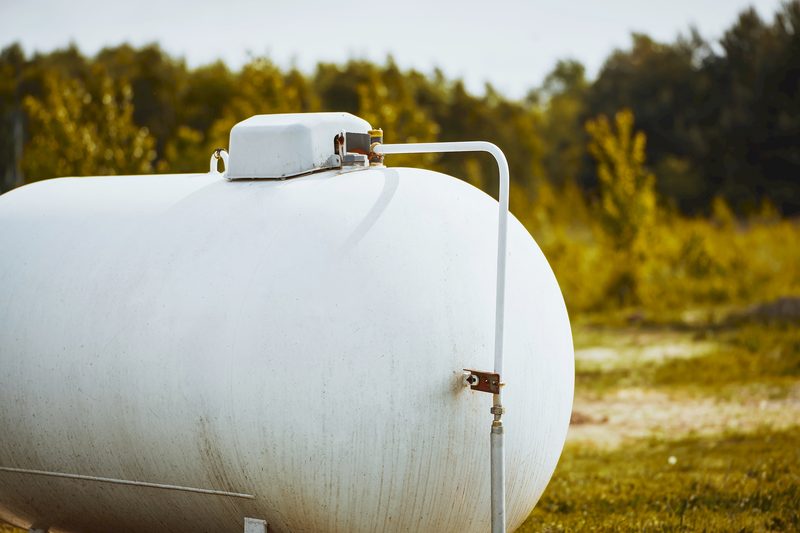
What Underground Propane Tanks Are and How They Work
An underground tank is built for burial. It is coated and sealed to stand up to moisture and soil, and it sits below the surface with only a small dome or lid showing above ground. That lid covers the connections used for filling and for reading the tank.
Inside, nothing changes about the fuel itself. Propane is stored as a liquid under pressure and turns to vapor as your appliances draw on it. The same lines carry that vapor to your furnace, range, water heater or generator, whether the tank is above ground or below it.
Delivery works from the surface as well. A trained driver reaches the dome, connects the hose and fills the tank, so you do not need to be involved beyond keeping the area clear and accessible.
Benefits of Burying a Propane Tank
The most common reason people choose a buried tank is appearance. With the tank out of sight, the yard looks like a yard again, and there is nothing to plant around or hide behind a fence. That matters for homes with a view, a pool or a carefully kept landscape.
There are practical benefits too. A buried tank is shielded from direct sun and from some of the temperature swings that an exposed tank sees. It also stays clear of mowers, snow removal equipment and the occasional stray ball, which lowers the chance of accidental damage.
Some homeowners like the sense of tidiness that comes from a tank that is not part of the daily scene. If curb appeal is part of your plan, that peace of mind is a real advantage.
Things to Weigh
Burying a tank is a bigger job than setting one on a pad. It involves excavation, careful placement and connections that will be hidden once the work is done. That makes it more involved to install, and more involved to correct if something later needs attention.
Soil and groundwater are the other concerns. Because the tank sits in contact with the ground, it needs corrosion protection, and the conditions on your property affect how well it holds up. High water tables or rocky ground can complicate the project and may rule it out in some spots.
Access is the final consideration. An above-ground tank can be seen and checked at a glance. A buried tank asks you to rely on its dome, its gauge and periodic professional inspection instead. For a quick comparison, see how the options look on our propane tanks for sale page.
Installation: What to Expect
Installing an underground tank is work for licensed professionals. Propane is a regulated fuel, and the rules for placement, depth, distance from structures and connections are set by code. A professional will walk the property, look for buried utilities and drainage, and choose a location that meets those requirements.
On the day of installation, the crew digs the excavation, sets the tank, connects the lines and tests the system before it goes into service. Afterward, the ground is restored around the dome. A well-planned job leaves a small, clearly marked lid and little else to show for the work.
Plan ahead for timing. Digging season, ground conditions and permit requirements can all affect when a project can start, so it helps to raise the question well before the cold weather arrives.
Inspection and Safety
Out of sight should never mean out of mind. A buried tank needs regular attention to its corrosion protection and connections, and a professional should handle any inspection or repair. Keep the dome area clear of brush, snow and anything heavy, and make sure nobody parks or builds over it.
It also helps to keep track of the fuel level. Aero Tank Monitors report fuel levels in real time, which is especially handy for a tank you cannot see at a glance.
If you ever smell gas, treat it as an emergency. Leave the building, stay away from the house and call for help from a safe distance. Our guide on how to check for propane tank leaks covers what warning signs to know, and a professional should take it from there.
Choosing Between Underground and Above-Ground Tanks
The right answer depends on your property, your priorities and your budget for the project. If you value a clear yard and your site suits burial, an underground tank is worth a serious look. If you prefer simpler access and fewer unknowns underground, an above-ground tank can be the easier route.
A few questions help narrow it down. How much do you care about appearance? Is the ground well drained? Where could a delivery truck reach safely, in every season? Who will handle inspections over the life of the tank?
A good supplier will help you work through those questions without pressure, and will be honest about the trade-offs. That conversation is the best way to choose a tank you will be happy with for years.
FAQs
Can I put my propane tank underground?
In many cases you can, as long as local rules, your soil and the layout of your property allow it. Start by asking a supplier to look at the site, since soil and drainage can settle the question quickly.
What size do underground propane tanks come in?
Underground tanks are made in a range of sizes, from smaller tanks for modest homes to large ones for heavy users. Tell your supplier which appliances you run and how the house is used, and they can match a size to your needs.
How far does a 1000 gallon underground propane tank need to be from the house?
Setback distances come from the tank size and the codes where you live, so no single figure fits every property. Do not guess at the spacing yourself; ask for the distances in writing before the work begins.
How much to replace an underground propane tank?
The cost depends on the size of the tank, the condition of the site and how much work the removal and new installation involve. Ask for a written estimate that lists each step, so you can see what is included before you agree.
Contact Aero Energy to talk through whether an underground tank suits your property and what the next step looks like.