
How Much Is a Propane Tank?
Quick Summary: A propane tank can mean a small grill cylinder or a large home tank, and the two sit at very different price points. What decides your cost is the tank size you need and whether you buy it, lease it or simply have it filled: grill cylinders are an easy, low-cost purchase, while 100, 250 and 500 gallon home tanks add installation and a much bigger fill. Propane prices move with the market, so a current quote from your supplier is the only number worth planning around.
If you are asking how much is a propane tank, the honest answer starts with a question of your own: tank for what? A cylinder for the backyard grill and a tank that heats a farmhouse are different purchases, even though both hold the same fuel.
Here at Aero Energy, an employee-owned company delivering propane across Pennsylvania and Maryland since 1929, we hear this question every fall, usually from someone who wants to avoid a surprise.
It helps to understand the propane tank cost picture before you pick up the phone, and this guide walks through it.
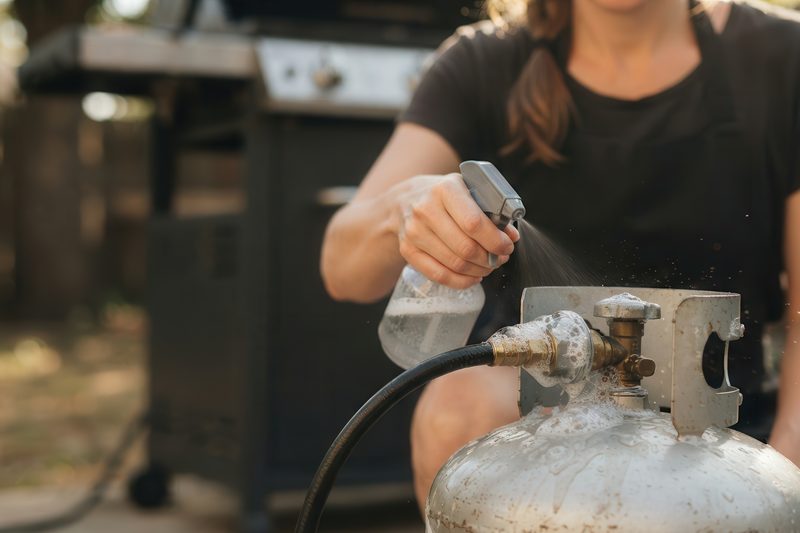
Small Propane Tanks for Grills and Portable Use
The tank most people picture is the 20 lb cylinder that sits under a gas grill. It is portable, easy to find and the least expensive tank you will buy. Most of the time you are paying for two separate things: the cylinder itself and the propane inside it.
That split matters when you compare options. Some people swap an empty cylinder for a full one, which is quick but means paying for a container each time. Others take the empty cylinder to be refilled, which keeps the tank they own and means paying for fuel alone. Neither is wrong, but a refill tends to cost less over a season of regular grilling, while an exchange wins on convenience.
Whichever you choose, check the cylinder before you fill it. A tank with deep rust, a damaged valve or an expired date should be replaced instead of refilled.
Home Propane Tanks: 100, 250 and 500 Gallon Sizes
A home tank is a different kind of purchase. Residential tanks commonly come in 100, 250 and 500 gallon sizes, and the right one depends on what you are running. A 100 gallon tank can suit a smaller home or a limited use such as a fireplace or a cooktop. A 250 gallon tank fits many households that heat with propane part of the year. A 500 gallon tank is the usual choice for a larger home or one that relies on propane for heat, hot water and cooking.
Placement is the other decision. Tanks can sit above ground or be buried, and each option has a different effect on installation. You can read more about types of propane tanks for residential use to see how those options compare for a house.
Bigger is not always better. An oversized tank means a larger fill, while an undersized one means more frequent deliveries. The best way to match size to your home is to talk through your appliances and your winter habits with a supplier who has done it many times.
Buying a Tank Versus Leasing One
For a home tank, the question of who owns it changes the total cost. When you buy, the tank is yours, and in principle you can shop for propane from different suppliers. When you lease, the supplier owns the tank and typically expects to be the one who fills it, which can keep the upfront cost down while tying you to that supplier.
Before you commit to either, ask a few plain questions. Who handles inspections and repairs over the years? What happens if you want to switch suppliers later? Are there fees when a tank is removed? A clear answer to each one prevents a bad surprise at the worst time of year.
If you are comparing purchase options, our page on propane tank sales explains how Aero Energy handles tanks for customers.
What Else Affects the Total Cost
The tank itself is rarely the whole bill. A home tank needs a proper site, and installation should always be done by licensed professionals, because propane is a regulated fuel and a poor installation is a safety risk, not just a cost. Depending on where you live, permits and inspections may also apply.
Then there is the first fill. A new tank arrives empty, so you will pay for fuel before it can do any work. After that, your yearly cost follows your usage: a home that heats with propane through a Pennsylvania or Maryland winter will fill far more often than one that only runs a range or a dryer.
Delivery also plays a part. Some households prefer scheduled deliveries, while others want to monitor the tank and refill as needed. Aero Tank Monitors track fuel levels in real time, which takes the guesswork out of when to call. Ask about price protection programs too, since a plan that caps or smooths your cost can matter more over a winter than a small difference in the tank price.
How to Get an Accurate Propane Tank Quote
You will get a far better answer from a supplier if you arrive prepared. Start with the basics: the size of your home, the appliances that will run on propane and the way your household uses them. Then think about the site. Where will the tank sit, and can a delivery truck reach it safely in all seasons?
If anything is unclear, ask the supplier to put it in writing. A good supplier will be glad to.
Ask about service at the same time. Find out how deliveries are scheduled, what happens in a cold snap and who you call if something seems wrong with the tank.
Propane Tank Safety When You Buy or Replace
Propane is safe when it is handled properly, and that is the reason to leave tank work to trained people. Never try to move, repair or fill a home tank yourself. If you smell gas, leave the area and call for help from a safe distance. For filling guidance, see our notes on propane tank filling safety.
It is also worth walking your property once a year. Keep the area around the tank clear of snow, brush and debris so that anyone who needs to reach it can do so without trouble.
FAQs
How much does one tank of propane cost?
One tank of propane costs whatever the going price per gallon is, multiplied by the gallons your tank holds, so a large home tank is a much bigger fill than a grill cylinder.
Is it cheaper to refill or buy a new propane tank?
Refilling a tank you already own is usually the cheaper route over time, since you pay for fuel rather than for a new container each trip. Check that the tank is in good condition and inside its inspection window before you fill it.
How much does it cost to fill a 20lb propane tank?
The fill cost for a 20 lb cylinder comes down to the price per gallon where you refill it, and the cylinder takes only a small amount of fuel. Treat it as a small, regular expense, and compare it with the price of an exchange before you decide which is easier for you.
Where's the cheapest place to get a 20 lb propane tank?
The lowest price on a cylinder rarely comes from one place, because retailers, refill stations and suppliers each price tanks and fuel differently. Look at the tank price and the refill price together, and leave out any stop that adds a long drive for a small saving.
Contact Aero Energy to talk through the right propane tank for your home and get a quote that fits it.