How To Prepare For Fuel Delivery
Quick Summary
Learning how to prepare for fuel delivery helps homeowners and businesses avoid delays, blocked access points, and winter service interruptions. Clear tank access, accurate account details, weather preparation, and regular tank monitoring all contribute to smoother residential fuel delivery and commercial fuel delivery scheduling. Property owners who prepare ahead of time reduce the likelihood of emergency fuel shortages and help delivery teams complete service safely and efficiently during busy seasonal periods.
Snow-covered driveways, blocked tank access, and delayed communication often create avoidable problems during fuel deliveries. Understanding how to prepare for fuel delivery helps homeowners and businesses avoid scheduling delays, access issues, and safety concerns throughout colder months.
Delivery drivers require clear access to fuel tanks, safe walking paths, and accurate account information to complete deliveries efficiently. Proper preparation also helps reduce interruptions during periods of heavy seasonal demand.
From residential heating oil deliveries to commercial fuel delivery scheduling, a few preventative steps can improve service reliability and simplify the overall fuel delivery process during winter and throughout the year.
Keep Tank Access Clear Before Delivery Day
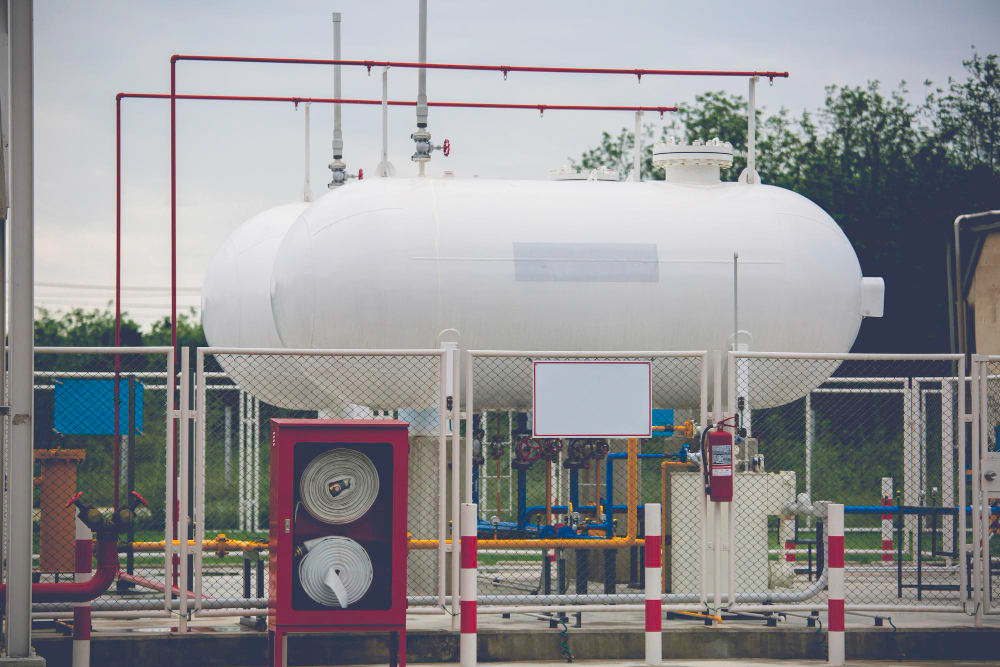
Fuel delivery drivers need direct access to propane tanks, heating oil fill pipes, and surrounding equipment areas. Blocked pathways often create delays that affect multiple delivery schedules throughout the day.
Before a scheduled delivery, remove vehicles, outdoor furniture, equipment, and debris that may obstruct access to the fuel tank or fill location. During winter months, clear snow and ice from driveways, walkways, and tank areas. Drivers frequently carry heavy hoses and equipment across residential and commercial properties, so stable walking surfaces reduce safety risks for everyone involved.
Commercial properties should also keep loading zones and service entrances accessible during delivery windows. Businesses with gated entrances should communicate access instructions in advance to prevent unnecessary scheduling delays.
Check Fuel Tank Levels Regularly
One of the most common causes of emergency fuel deliveries involves delayed tank monitoring. Homeowners and business operators who track fuel usage consistently reduce the risk of unexpected shortages during colder weather.
Many heating systems consume fuel more rapidly during extended periods of low temperatures. Commercial facilities with high equipment usage may also experience faster fuel depletion during busy operating periods.
Customers using will-call delivery schedules should monitor tank levels frequently and schedule deliveries before tanks reach critically low levels. Waiting too long to request fuel may create delays during severe weather or regional demand spikes.
Automatic delivery plans can simplify this process because fuel companies estimate usage patterns and schedule deliveries accordingly. However, customers should still monitor for unusual fuel consumption changes that may indicate equipment problems or higher-than-normal usage.
Verify Delivery Information Ahead of Time
Incorrect account details often create preventable delivery delays. Before a scheduled delivery, confirm that the fuel company has accurate contact information, delivery instructions, and billing details.
Customers should review:
- Property address
- Gate codes or access instructions
- Tank location details
- Updated phone numbers
- Billing preferences
- Delivery scheduling notes
Businesses with multiple tanks or delivery locations should clearly identify each service point to avoid confusion during commercial fuel delivery appointments.
Communication becomes especially important during severe weather periods when schedules change quickly. Updated contact information allows fuel companies to communicate delivery updates or weather-related delays more efficiently.
Prepare for Winter Weather Conditions
Winter weather frequently affects residential fuel delivery and commercial fuel delivery operations. Snow accumulation, icy surfaces, and blocked driveways can delay deliveries or create unsafe conditions for drivers.
Property owners should clear snow around tank areas, fill pipes, and driveway entrances before scheduled deliveries. Tree branches hanging low over driveways should also be trimmed to accommodate delivery trucks safely.
Businesses operating large commercial sites should maintain plowed service entrances and loading areas throughout winter storms. Delayed snow removal may prevent delivery trucks from accessing fuel storage equipment entirely.
Customers who rely heavily on heating fuel during winter should also schedule deliveries before major storms arrive whenever possible. Waiting until severe weather develops may limit delivery availability due to increased regional demand and hazardous road conditions.
Inspect Fuel Tank Areas for Safety Hazards
Fuel tank areas should remain free from hazards that could interfere with delivery operations. Delivery drivers often navigate tight spaces while handling hoses, fuel nozzles, and heavy equipment.
Before delivery appointments, inspect the area around tanks for:
- Ice buildup
- Loose pets
- Fallen branches
- Standing water
- Poor lighting
- Construction materials
- Overgrown vegetation
Understand Your Delivery Schedule
Fuel delivery schedules vary depending on customer demand, weather conditions, and delivery routes. Customers who understand scheduling expectations often experience fewer misunderstandings during peak heating periods.
Ask your fuel company how delivery timing works and what factors may affect scheduling during colder months. Some suppliers group deliveries by region to improve route efficiency, while others prioritize automatic delivery customers during high-demand periods.
Businesses with operational fuel requirements should discuss recurring delivery schedules directly with their supplier. Commercial fuel delivery timing often affects fleet operations, industrial equipment usage, and facility heating systems.
Residential customers should also understand estimated delivery windows and emergency delivery procedures in case fuel levels drop unexpectedly during winter weather events.
Protect Fuel Fill Pipes and Equipment
Damaged or obstructed fill pipes can slow down deliveries or create safety concerns during fuel transfers. Property owners should inspect fill connections periodically and keep them accessible throughout the year.
Do not cover fill pipes with landscaping materials, decorative structures, or seasonal equipment. During winter months, remove snow accumulation around fill locations before deliveries arrive.
Customers should also inspect tanks visually for signs of corrosion, leaks, or physical damage. Commercial properties with above-ground storage systems should monitor protective barriers and surrounding pavement conditions regularly.
Plan Ahead During Peak Fuel Seasons
Fuel demand typically increases sharply during colder months, especially after extended temperature drops or winter storms. Customers who wait until tanks reach very low levels may experience longer delivery wait times during peak demand periods.
Scheduling deliveries earlier helps reduce the likelihood of emergency situations and limited appointment availability. Businesses with high fuel consumption should review seasonal usage trends before winter arrives to avoid operational disruptions.
Dependable Fuel Delivery Backed by Local Experience
At Aero Energy, we help homeowners and businesses across Pennsylvania and Maryland stay prepared with reliable propane, heating oil, HVAC, and commercial fuel delivery services. Our employee-owned team brings more than 90 years of regional experience, responsive communication, and dependable scheduling to every delivery.
Contact Aero Energy today to discuss fuel delivery options designed to keep your home, equipment, or business running efficiently throughout every season.
FAQs
How early should I schedule a fuel delivery during winter?
Customers should schedule deliveries before tank levels become too low, especially during colder months when regional fuel demand increases significantly.
What should I clear before a fuel delivery arrives?
Remove snow, ice, vehicles, debris, and obstacles around driveways, tank areas, and fill pipes so drivers can access equipment safely.
Can weather conditions delay fuel deliveries?
Yes. Heavy snow, icy roads, and severe storms may affect delivery schedules, particularly during periods of high fuel demand.