How To Store Propane Tanks In Winter
Quick Summary
Proper propane tank storage during winter helps maintain safety, protects equipment from unnecessary damage, and keeps fuel ready whenever needed. Selecting suitable storage locations, maintaining good ventilation, protecting valves, and following recommended handling practices all contribute to dependable propane use throughout colder months while supporting reliable fuel availability for homes, businesses, and seasonal equipment.
Cold temperatures create additional considerations for propane storage because tanks remain exposed to changing weather, snow accumulation, moisture, and freezing conditions throughout the winter season. Understanding how to store propane tanks in winter helps maintain safe storage practices while keeping propane readily available whenever heating or equipment needs arise.
Propane remains dependable during cold weather, although proper storage practices help protect tanks from avoidable damage while supporting reliable performance throughout the season. Following practical storage recommendations allows propane users to maintain fuel availability while reducing unnecessary risks associated with improper winter storage.
Winter preparation extends beyond filling propane tanks because selecting an appropriate storage location and maintaining safe conditions contribute to dependable operation during periods of increased fuel demand. Organized storage practices also simplify inspections and improve accessibility throughout changing winter weather.
Store Tanks Outdoors
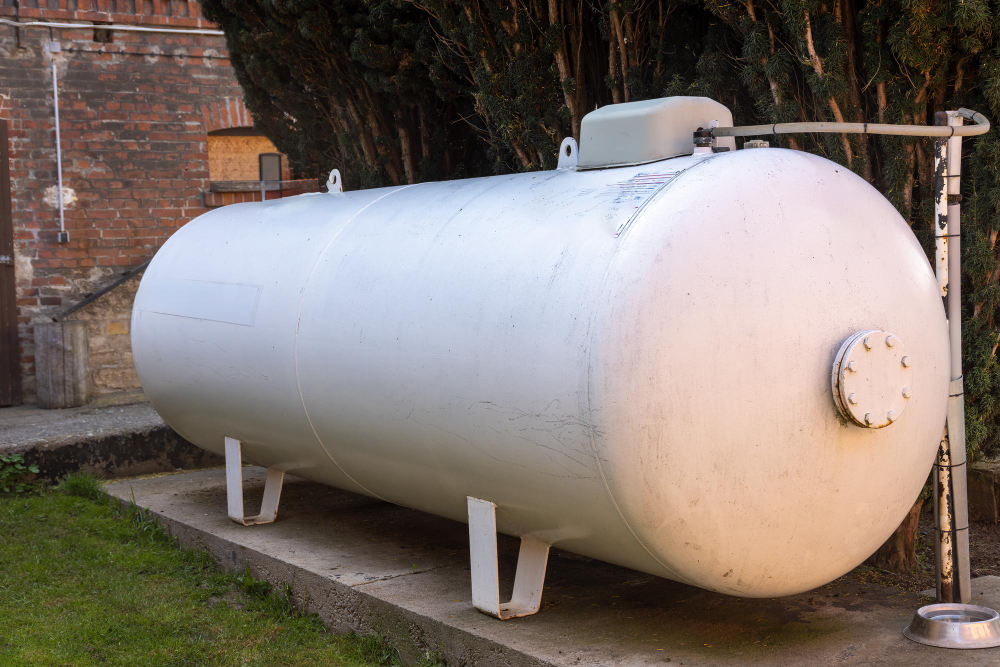
Propane tanks should always remain outdoors in open areas where natural ventilation allows propane to disperse safely if a leak ever develops. Outdoor storage reduces unnecessary risks associated with enclosed spaces while keeping tanks in an environment designed for safe long-term storage throughout winter conditions.
Selecting a level, stable surface helps prevent tanks from shifting after heavy snowfall, freezing temperatures, or changing ground conditions during the season. Keeping tanks upright also protects internal safety mechanisms while supporting dependable operation whenever propane is needed.
Keep Tanks Accessible
Snow, ice, and seasonal debris can gradually block access to propane tanks if storage areas receive little attention throughout the winter months. Maintaining clear pathways allows tanks to remain accessible for inspections, deliveries, and routine maintenance during changing weather conditions.
Easy access also allows technicians to inspect connections, regulators, and valves without unnecessary obstacles creating delays during service visits. Maintaining clear storage areas supports dependable fuel availability while improving overall winter safety around propane equipment.
Protect Tank Connections
Tank valves, regulators, and hose connections remain important parts of every propane system because they control safe fuel movement throughout normal operation. Dirt, moisture, ice, and accumulated debris around these components may interfere with inspections or maintenance if left unattended throughout winter.
Regular visual inspections help identify noticeable concerns before they become larger problems during periods of increased propane usage. Keeping protective valve caps securely in place whenever tanks remain disconnected also helps shield important components from outdoor winter conditions.
Avoid Indoor Storage
Garages, basements, sheds, crawl spaces, and similar enclosed locations should never become storage areas for propane tanks during winter or any other season. Propane requires outdoor storage because natural ventilation allows gas to disperse safely if accidental leaks ever occur.
Keeping tanks outside also allows pressure relief systems to operate within intended conditions while reducing unnecessary hazards associated with enclosed storage. Following recommended outdoor storage practices supports safer propane use throughout changing seasonal weather.
Inspect Tanks Regularly
Winter weather creates changing conditions that make routine propane tank inspections valuable throughout the heating season. Snow accumulation, ice formation, moisture exposure, and accidental impacts should all receive attention during regular visual inspections around stored propane tanks.
Looking for visible rust, physical damage, loose fittings, or unusual conditions allows potential concerns to receive prompt attention before affecting reliable propane use. Routine inspections also help maintain confidence that tanks remain in suitable condition throughout extended winter storage.
Prepare for Fuel Deliveries
Winter weather sometimes limits property access, making advance preparation valuable before scheduled propane deliveries arrive throughout the colder months. Clearing snow from driveways, walkways, and tank locations allows deliveries to take place more efficiently while reducing unnecessary delays during severe weather.
Maintaining accessible storage areas also helps technicians safely inspect equipment before completing fuel deliveries during winter conditions. Organized preparation supports dependable fuel availability while allowing heating systems and propane equipment to continue operating without avoidable interruptions.
Store Backup Cylinders Properly
Some homeowners and businesses keep additional propane cylinders available for grills, portable heaters, generators, or seasonal equipment during winter months. Backup cylinders should remain upright on stable outdoor surfaces with protective valve caps securely installed whenever they are not connected for active use.
Anyone searching for propane tanks for sale should also understand recommended storage practices before bringing additional cylinders onto the property. Proper handling from the beginning helps maintain safer storage conditions while protecting tanks throughout every winter season.
Plan Winter Fuel Needs
Winter usually increases propane demand because heating systems, agricultural equipment, generators, and commercial operations depend on dependable fuel throughout extended periods of colder weather. Planning fuel requirements before severe weather arrives helps reduce unnecessary concerns about fuel availability during busy winter months.
Businesses relying on propane and heating oil for businesses benefit from reviewing seasonal fuel requirements early while coordinating dependable delivery schedules. Planning ahead supports uninterrupted operations while helping organizations maintain reliable energy supplies throughout demanding winter conditions.
Safe Winter Storage Starts With Good Planning
Proper propane storage begins with practical preparation, safe outdoor placement, and regular inspections that help maintain dependable fuel availability throughout the winter season. Aero Energy proudly delivers trusted propane solutions backed by decades of dependable industry experience. Contact us today to learn more about reliable propane services and winter fuel solutions.
FAQs
Can propane tanks stay outside during winter?
Yes. Propane tanks are designed for outdoor storage when placed upright in well-ventilated locations following recommended safety practices.
Should propane tanks be covered during winter?
Heavy coverings are unnecessary because propane tanks are designed for outdoor conditions, although connections should remain clean and protected.
Can snow damage propane tanks?
Snow generally does not damage tanks, although removing heavy accumulation helps maintain accessibility and simplifies routine inspections throughout winter.
Why should propane tanks remain upright?
Keeping tanks upright allows safety mechanisms to function correctly while maintaining proper propane storage and dependable fuel system operation.
How far should propane tanks be stored from heat sources?
Propane tanks should remain outdoors and positioned away from ignition sources, open flames, and excessive heat to support safe storage practices.