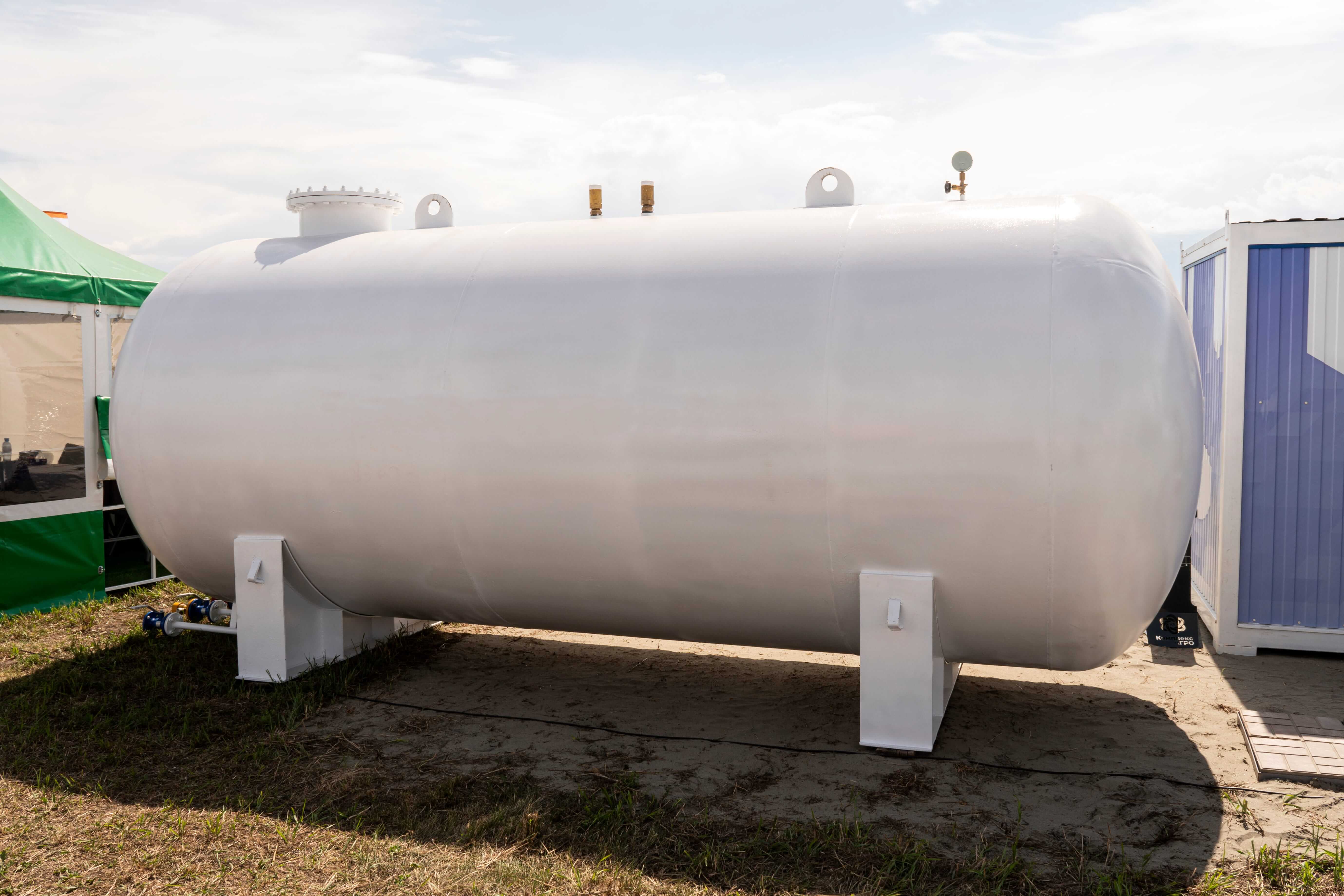
Step-By-Step: Commercial Heating Oil Tank Cleaning
Sediment, water, and microbial growth accumulate at the bottom of commercial heating oil tanks over time, quietly degrading fuel quality and straining heating equipment. Left unaddressed, this buildup clogs filters, damages burners, and shortens the lifespan of the entire system.
Regular commercial heating oil tank cleaning is one of the most practical ways to protect a major operational asset. Understanding the process helps businesses plan for it properly rather than react to a breakdown.
Why Tank Cleaning Cannot Wait
Every time a delivery is made, small amounts of water and particulate matter enter the tank along with the fuel. Over months and years, these contaminants settle and form sludge at the tank bottom. Microbial organisms, commonly called diesel bug or tank bacteria, feed on the fuel-water interface and produce byproducts that accelerate corrosion from the inside out.
The impact on commercial oil heating systems is measurable. Contaminated fuel forces burners to work harder, increases filter replacement frequency, and leads to inconsistent heat output. In extreme cases, blocked fuel lines trigger full system shutdowns, which in a commercial facility can mean halted production, damaged inventory, or serious discomfort in occupied spaces.
Businesses using propane and heating oil for businesses, especially those that run mixed-fuel systems, benefit from keeping both fuel storage systems clean to avoid cross-contamination issues.
Step One: Schedule a Professional Assessment
Before any cleaning begins, a qualified technician assesses the tank’s condition. This involves checking the exterior for corrosion or structural damage, testing fuel samples for water content and microbial activity, and evaluating the tank lining if one is present.
This step determines whether the tank needs a standard cleaning or more intensive intervention, such as lining repair or partial decommissioning. Skipping the assessment and going straight to cleaning can cause more harm if the tank has structural issues that require attention first.
Step Two: Remove Remaining Fuel
The technician pumps out all remaining fuel using a vacuum truck or transfer pump. In most cases, clean fuel is filtered and set aside for reuse after the cleaning is complete. Heavily contaminated fuel gets disposed of according to local environmental regulations.
This step also allows a full visual inspection of the tank interior once empty. The extent of sludge accumulation, any rust streaking, and water pooling become visible and help determine the cleaning method and products needed.
Step Three: Vacuum Out Sludge and Sediment
Industrial vacuum equipment removes the sludge, sediment, and water sitting at the tank bottom. This material cannot simply be flushed out. It requires controlled removal to prevent it from spreading through the fuel line or contaminating surrounding soil.
For commercial heating oil tanks with significant buildup, this step takes the most time. Technicians work methodically from access hatches, ensuring all accumulated material is extracted before moving forward.
Step Four: Clean the Tank Interior
Once the bulk of the sludge is removed, technicians apply a cleaning solution to the tank interior. The solution breaks down residual deposits clinging to the walls and bottom. Depending on the tank size and contamination level, this may involve chemical flushing, pressure washing, or a combination of both.
The cleaning solution must be compatible with the tank material, steel tanks and fiberglass tanks respond differently to various cleaning agents. Using the wrong product can damage the lining or leave chemical residue that contaminates the next fuel load.
Step Five: Inspect for Corrosion and Damage
With the tank clean and dry, technicians conduct a detailed internal inspection. They look for pitting, rust, weld seam integrity issues, and any structural weaknesses that could lead to leaks. External inspection is repeated at this stage as well.
If corrosion has progressed beyond a surface level, the technician recommends either lining the tank interior with an epoxy coating or replacing the tank altogether. Continuing to operate a structurally compromised tank puts the facility and surrounding environment at risk, regardless of how clean the fuel inside it is.
Step Six: Treat the Tank Before Refueling
Before fresh fuel goes back in, many technicians apply a biocide treatment to eliminate any remaining microbial contamination. This step is particularly relevant for tanks that showed active biological growth during the assessment phase.
A fuel conditioner or stabilizer may also be added to the first delivery after cleaning. These additives slow future sediment formation and help maintain fuel quality between cleaning cycles, extending the time before the next service is needed.
Step Seven: Refuel and Test the System
Clean fuel, either the filtered fuel removed earlier or a fresh delivery, goes back into the tank. The technician checks all connections, valves, and fuel lines before restarting the system. Filters are replaced at this stage, since old filters often hold concentrated contamination that would immediately re-enter the system if left in place.
The heating system runs through a full startup cycle while the technician monitors fuel flow, burner performance, and heat output. Any irregularities in system behavior get addressed before the job is signed off.
How Often Should Commercial Tanks Be Cleaned?
Most commercial heating oil tanks need cleaning every three to five years under normal operating conditions. Facilities with high fuel turnover may go longer between cleanings, while tanks in humid environments or those that sit partially filled for extended periods accumulate contamination faster.
Working with a reliable heating oil near me supplier who tracks your delivery history can help flag when a tank inspection is overdue based on actual usage patterns rather than a fixed calendar.
Ready for Reliable Commercial Heating Oil Service?
At Aero Energy, we work with commercial clients across Pennsylvania and Maryland to keep their fuel systems running clean and efficiently. With over 90 years in the business and a team that handles commercial fuels delivery and HVAC services, we understand what a neglected tank can cost a business.
Contact Aero Energy to schedule your commercial tank inspection today.
FAQs
How do I know if my commercial heating oil tank needs cleaning?
Common signs include clogged filters, poor burner performance, cloudy fuel, or sludge buildup in the tank.
Can a commercial heating oil tank be cleaned without emptying it completely?
Thorough tank cleaning typically requires complete fuel removal to eliminate sludge and sediment effectively.
Is commercial heating oil tank cleaning a regulatory requirement?
Requirements vary by location, but businesses must follow applicable fuel storage, inspection, and environmental regulations.