What Is Commercial Heating Oil Used For?
Quick SummaryCommercial heating oil powers warehouses, manufacturers, agricultural facilities, schools, and hospitals across the country, particularly where natural gas infrastructure is limited. Businesses rely on it for space heating, process heat, and consistent temperature control through demanding winter conditions. Choosing the right tank size, fuel grade, and delivery schedule directly affects operating costs and system reliability. Modern formulations like ultra-low sulfur oil and Bioheat blends have made heating oil a cleaner, more sustainable option for businesses prioritizing both performance and environmental impact. |
Commercial heating oil serves as one of the most reliable fuel sources for businesses that need consistent, high-output heat to keep operations running through harsh winters. Unlike residential heating, commercial applications demand fuel that performs under greater load, longer run times, and variable conditions.
From warehouses to greenhouses, the range of industries that depend on this fuel is broader than most people realize. Understanding how it works helps businesses make smarter, more cost-effective energy decisions.
How Commercial Heating Oil Differs From Residential Fuel
Most people associate heating oil with home furnaces, but the commercial grade operates under a different set of demands. Businesses often run heating systems continuously or at higher capacities, which means fuel quality and delivery reliability carry far more weight.
Commercial heating oil suppliers play a direct role in keeping operations stable, since a delayed delivery or inconsistent fuel quality can disrupt production, damage equipment, or create unsafe conditions for workers.
The fuel itself, typically No. 2 heating oil, shares its base chemistry with diesel but is refined and formulated for heating equipment rather than engines. Some commercial operations use No. 4 or No. 6 oil, which are heavier grades suited for industrial-scale burners.
The grade a business uses depends on the size of its heating system and the specific demands of its industry.
Primary Uses Across Industries
Warehouses and distribution centers represent one of the largest commercial consumers of heating oil. These facilities often have high ceilings, large open floor plans, and poor insulation by design, all of which make them difficult to heat. Oil-fired unit heaters and boilers handle this challenge well because they generate intense heat quickly and sustain it over long periods.
Manufacturing plants rely on heating oil both for space heating and for process heat, meaning heat applied directly to production machinery or materials. In industries like food processing, textiles, and plastics, maintaining specific temperature conditions is not optional. Heating oil systems deliver the consistency these environments need.
Agricultural operations, including large-scale greenhouses and livestock facilities, also run on commercial heating oil. Greenhouses need steady, even heat to grow crops year-round, while livestock barns require controlled temperatures to protect animal health and output. In rural settings where natural gas lines do not reach, propane and heating oil for businesses serve as the practical alternative.
Schools, hospitals, and government buildings frequently use heating oil as well, particularly in the northeastern United States where grid infrastructure varies and natural gas access is not always available. These institutions prioritize fuel stability and delivery reliability above almost everything else.
Commercial Heating Oil Tanks: What Businesses Need to Know
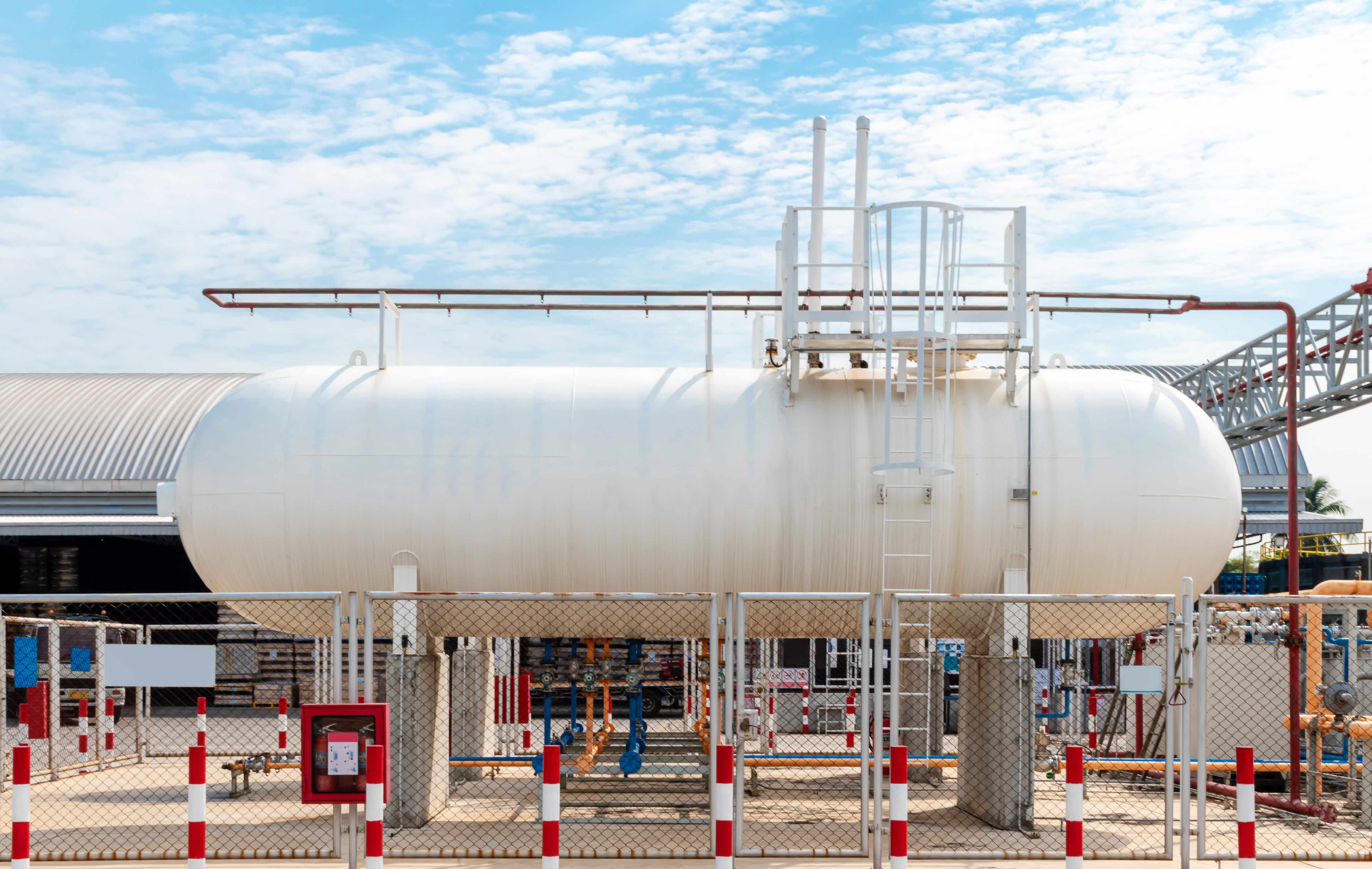
Storing heating oil on-site requires appropriate commercial heating oil tanks that meet local regulatory standards. Businesses typically use above-ground storage tanks (ASTs) ranging from a few hundred gallons to tens of thousands, depending on consumption and available space.
Tank sizing should reflect both peak usage and delivery schedules. A facility that burns through large volumes during winter should size its tank to avoid mid-season runouts, which can halt operations entirely. A reputable heating oil supplier will assess your facility’s usage patterns and recommend appropriate tank capacity before installation.
Tank placement, secondary containment requirements, and inspection schedules all fall under local environmental regulations. Businesses working with a knowledgeable commercial heating oil supplier receive guidance on meeting these requirements without navigating the regulatory landscape alone.
Efficiency and Cost Considerations
Modern oil-fired heating systems operate at efficiency ratings between 83% and 95%, which means a significant portion of every gallon translates directly into usable heat. Upgrading older burners or boilers to high-efficiency models can reduce annual fuel consumption without reducing heat output.
Businesses that monitor consumption and schedule deliveries proactively through automatic delivery programs tend to avoid the price spikes that come with emergency orders. Locking in pricing through a reliable heating oil supplier with budget or price protection plans adds another layer of financial stability, particularly for businesses with fixed operating budgets.
Environmental Considerations and Cleaner Alternatives
The heating oil industry has moved steadily toward lower-emission formulations. Ultra-low sulfur heating oil, which most commercial suppliers now offer as a standard product, burns cleaner than older formulations and reduces particulate emissions. Biodiesel blends, often labeled as Bioheat, further cut carbon output by incorporating renewable feedstocks into the fuel mix.
For businesses exploring alternatives or hybrid solutions, propane and heating oil for businesses often work in tandem. Some facilities use heating oil for primary space heating while propane powers specific equipment or backup systems, creating redundancy that keeps operations going even if one fuel supply runs short.
How Aero Energy Supports Your Commercial Heating Needs
At Aero Energy, we have spent over 90 years helping businesses across Pennsylvania and Maryland get the fuel and heating services they need.
Our commercial heating oil delivery, tank support, and HVAC services come backed by five-star reviews and a team that understands what businesses actually require, reliable fuel, on time, with service that does not make you chase anyone down.
Contact Aero Energy today to discuss your commercial heating needs.
FAQs
What grade of heating oil do most commercial buildings use?
Most commercial buildings use No. 2 heating oil, the same grade commonly used in residential systems but delivered at higher volumes. Larger industrial operations sometimes use heavier grades like No. 4 or No. 6, which require specialized burner equipment.
How often should a commercial heating oil tank be inspected?
Annual inspections are the standard recommendation for commercial tanks, though local regulations may set specific intervals. Tanks that show signs of corrosion, leaks, or sediment buildup should be inspected and serviced immediately, regardless of schedule.
Can a business switch between heating oil and propane?
Yes. Many businesses operate dual-fuel systems that use heating oil as the primary source and propane as a backup, or vice versa. The feasibility depends on existing equipment compatibility and available infrastructure, which a qualified supplier can assess before any transition begins.