
What Is Liquid Propane?
Quick Summary: Liquid propane is a fuel gas that is compressed into a liquid so a large amount of energy can be stored in a tank and delivered to your home. It powers furnaces, water heaters, stoves, dryers, fireplaces and standby generators, and it is often the practical choice where natural gas lines do not reach. What matters most for your household is how many appliances you want to run, where the tank can sit and who will install and service it safely.
If your home sits beyond the end of a gas main, or you are weighing a new furnace or stove, you have probably wondered what is liquid propane and why so many rural and suburban households rely on it. At Aero Energy, an employee-owned company that has offered propane delivery across Pennsylvania and Maryland since 1929, we explain it the same way each time: it is a clean-burning, portable fuel that arrives at your door and waits in a tank until you need it.
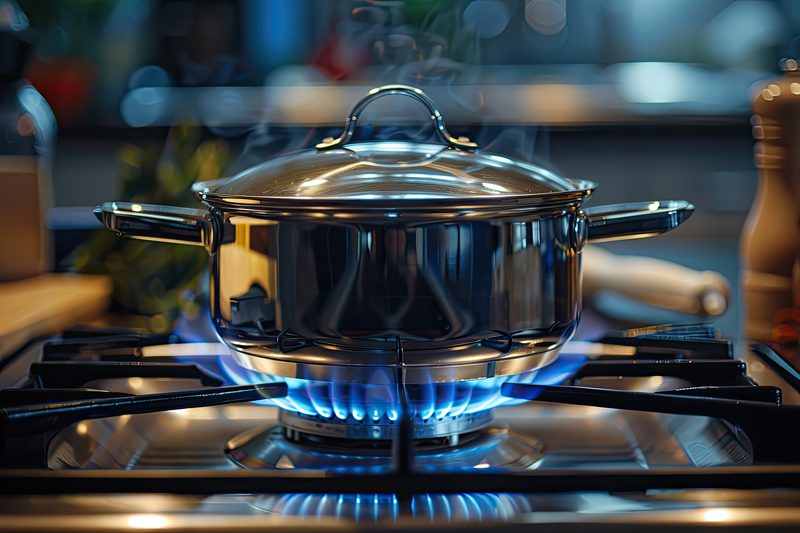
What is Liquid Propane and Why is it Stored as a Liquid?
Propane is a gas at normal temperatures, but it turns into a liquid when it is kept under moderate pressure. That is why a propane tank is built as a sturdy, sealed vessel. In liquid form, far more fuel fits into the same space than it would as a gas, which makes storage and delivery practical for a family home.
When you open a valve or turn on an appliance, the pressure in the tank drops slightly and some of the liquid turns back into vapor. That vapor flows through a regulator and into your furnace, stove or water heater. You never handle the liquid. The tank, regulator and piping do the work behind the scenes.
Propane also has an odor added to it. Pure propane has almost no smell, so suppliers add one that is easy to notice, which gives you a warning if gas escapes. Learning to recognize that smell is one of the most useful safety habits a propane household can have.
Liquid Propane Versus Natural Gas
People often ask how propane differs from natural gas. They are related fuels, but they reach your home in different ways. Natural gas travels through underground pipelines to a meter on your property. Propane is delivered by truck and stored in a tank at your home.
That difference explains why propane is so common in rural parts of Pennsylvania and Maryland. If your street has no gas main, a tank gives you access to the same kinds of appliances without waiting on a pipeline. It also means you are in charge of keeping the tank stocked, which is where scheduled delivery and tank monitoring become valuable.
Both fuels burn and both need to be treated with respect. The right choice often comes down to what is available at your address and how you plan to use it.
Common Uses for Liquid Propane at Home
Propane is more versatile than many homeowners realize. The most common use is whole-house heating through a furnace or boiler, and many families also rely on it for hot water. A propane range gives cooks the quick, controllable flame that many prefer, and a propane dryer is a familiar sight in homes without gas lines.
Outdoor living is another big category. Propane fuels fireplaces, fire pits, patio heaters and the backyard grill. Some households use it for a standby generator that keeps heat and lights on during a storm.
Because one tank can serve several appliances at once, many customers find it simpler to run most of the house on a single fuel and a single delivery schedule. You can see how this works in practice on our page about propane tanks for sale, which covers the tank options available.
How Liquid Propane Gets to Your Home
Propane reaches your home on a delivery truck. A trained driver connects to your tank and fills it, and the fuel stays there until your appliances call for it. Tanks can sit above ground beside the house or be buried, and the right choice depends on your property and your preferences.
You can keep track of how much is left in a few ways. Some households schedule regular deliveries and let the supplier plan around their usage. Others prefer to watch the tank and call when it runs low. Aero Tank Monitors track fuel levels in real time, which makes it easier to avoid running out during a cold stretch.
Because propane is a regulated fuel, tank installation, relocation and repair should be done by licensed professionals. A well-installed tank is the foundation of a safe system, and it is worth asking any supplier who will be responsible for inspections.
Propane Safety at Home
Propane is used safely in homes across the region, and a few simple habits keep it that way. Know the smell of the odorant. If you ever notice it, do not light anything, do not flip a switch and do not use a phone inside. Leave the building, move away from the house and call for help from a safe distance.
Keep the area around your tank clear of snow, brush and debris, so a delivery driver or technician can reach it easily. Never try to repair a tank, regulator or gas line yourself. If you are unsure whether a connection is sound, our guide on how to check for propane tank leaks explains what to look for, and a professional can take it from there.
Finally, remember that appliances made for outdoors stay outdoors. A grill or a portable heater that is not rated for indoor use should never be brought inside, however cold the weather becomes.
Is Liquid Propane Right for Your Home?
The best way to decide is to start with how your household lives. List the appliances you want to run on propane, think about where a tank could sit and make a note of how the home is heated. Those details tell a supplier what size tank and delivery plan make sense.
It also helps to ask about programs that make costs easier to plan. Price protection options can smooth out the cost of a winter, and online account tools make it simple to manage orders. A good supplier will explain them plainly and without pressure.
If you are still deciding, a conversation costs nothing. Many people start by asking one simple question about their own home, and the answer shapes everything after it.
FAQs
Is propane safe to use indoors?
Appliances made for indoor use are safe when they are installed to the manufacturer’s requirements, including ventilation.
Is propane more toxic than natural gas?
Neither fuel is poisonous in the way a chemical is, and the real danger of both is fire, explosion and a lack of oxygen in an enclosed space. The response to a gas smell is the same for both fuels, so you do not need to work out which one it is before you act.
Can breathing in propane be harmful?
Yes, because propane can push oxygen out of a small or closed space, and a person who breathes it in may feel dizzy or get a headache. If you notice the smell of gas, move to fresh air right away and have the system checked before anyone goes back in.
Is it cheaper to run your house on propane or natural gas?
The cost depends on how much fuel your home uses and what each fuel sells for where you live, so neither is always cheaper. Ask for an estimate of your yearly use, then compare the full cost, including tank, delivery and any hookup charges, rather than the price per unit alone.
Contact Aero Energy to talk through whether liquid propane fits your home and which tank is the right match.