
How Long Does an AC Unit Last?
Quick Summary: There is no single answer for how long an AC unit lasts, because lifespan depends on how well it was installed, how hard it works, the climate it lives in and how well it is maintained. Clean filters and coils, a correctly sized unit and a yearly tune-up all help it last. Weak cooling, strange noises and a growing list of repairs are signs it is time for a professional to take a look. A licensed technician can tell you whether to repair or replace.
Few household systems get taken for granted like the air conditioner, until a hot afternoon when it stops keeping up. At Aero Energy, an employee-owned company that has served Pennsylvania and Maryland since 1929, we are often asked how long a unit should last and when to stop repairing it. If your system is already acting up, our guide on the reasons your AC isn’t blowing cold air is a good first stop.
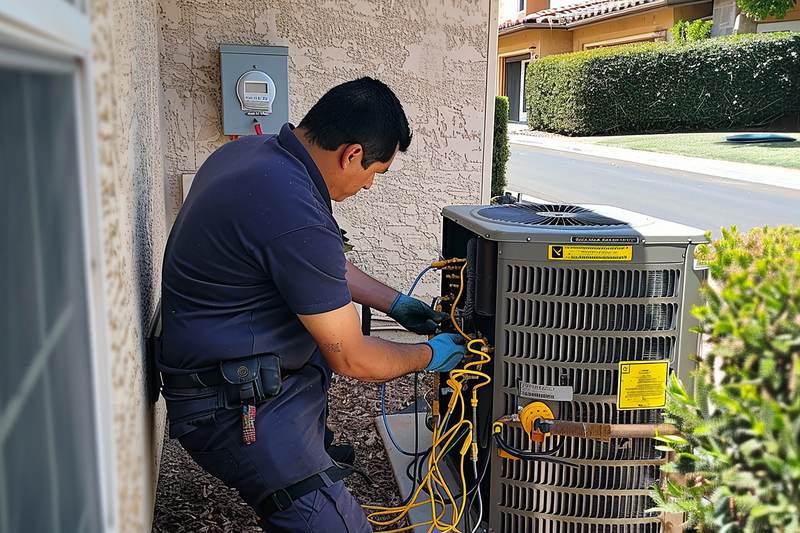
This article skips the one-size-fits-all years and explains what really decides lifespan, how to spot trouble and how to decide between repair and replacement.
What Decides How Long An AC Unit Lasts?
Two units of the same make can age very differently. A handful of factors explain most of the gap.
Installation quality comes first. A system that is sized correctly, connected properly and set up with good airflow starts life with an advantage. One that is too large or too small works harder than it should, and that strain adds up.
Use matters as well. A unit that runs for long stretches through hot summers wears faster than one that is called on lightly. Climate, shade around the outdoor unit and the number of people and appliances in the house all affect how often it cycles.
Then there is care. Dirty filters, clogged coils and neglected drains make the system work harder and can cause problems that grow over time. Of everything on this list, maintenance is the factor you control most.
Why Pennsylvania and Maryland Homes Ask Different Things of an AC
Our region swings between humid summers and cold winters, and that pattern shapes how an air conditioner ages. A system sits idle for months, then has to run hard through a heat wave. Starting up after a long rest is when worn parts, loose connections and clogged drains tend to show themselves.
Outdoor conditions play a part too. Cottonwood fluff, pollen, falling leaves and winter debris collect around the outdoor unit and on its coils. Homes with a lot of trees nearby often need that area cleaned more often than homes in open lots.
A little care at the start and end of the season helps. Before the first hot days, check that the unit is clear, replace the filter and run the system to confirm it cools. At the end of the season, clear away debris and consider a cover only if the manufacturer recommends one.
How Maintenance Helps an Air Conditioner Last
A little routine attention goes a long way. Change or clean the filter on the schedule your system calls for, since a clogged filter restricts airflow. Keep the outdoor unit clear of leaves, grass clippings and anything stacked against it so it can breathe.
A yearly tune-up by a licensed technician lets small problems get caught early. During a visit, a technician can check refrigerant levels, electrical connections, the condensate drain and the condition of the coils, all of which affect how well and how long the system runs.
Water is another clue. If you notice puddles or drips, take it seriously. Our article on why an AC unit is dripping explains common causes and when to call for help.
Signs Your AC is Nearing the End
Air conditioners usually give warnings before they quit. Watch for these:
- Rooms that no longer cool evenly, or air that feels warm at the vents.
- Loud, grinding or rattling noises, or a system that struggles to start.
- Repairs that come more often, or repair estimates that keep climbing.
- Higher energy use without a change in how you run the system.
- Moisture, odors or visible rust on or around the equipment.
One sign alone does not mean the end. Several together, especially on an older system, suggest it may be time to talk about options.
Repair or Replace?
When something breaks, the question is whether a fix is worth the money. A repair makes sense when the problem is limited and the rest of the system is in good shape. Replacement starts to look better when repairs pile up, the system is struggling to keep the house comfortable or the equipment is old enough that parts are hard to find.
Ask a technician to explain what is wrong, what a repair would involve and what condition the rest of the system is in. A good professional will lay out both paths and let you decide, without pressure.
It also helps to think about the whole system. The outdoor unit, the indoor coil and the furnace or air handler are designed to work together, so the condition of each piece affects the choice. Sometimes a repair on one part is reasonable, and sometimes it is a sign the matched set is aging out together.
Comfort and safety belong in the decision, too. A system that leaks refrigerant or has electrical trouble should be handled by a licensed professional right away rather than left to run.
Installing a Replacement
If you do replace the unit, a few things make the next one last. Insist on a proper load assessment, so the new system is sized to the house instead of copied from the old one. Ask about the condition of the ductwork, since leaky or poorly sized ducts can make even new equipment work harder than it should.
Installation should be done by licensed professionals, who will handle refrigerant, electrical connections and permits correctly. Aero Energy installs and services air conditioning, so the same team can walk you through the options and take care of the work.
Plan ahead when you can. Replacing a system on your own schedule, before a breakdown in the middle of summer, gives you time to compare options and choose carefully instead of rushing.
FAQs
What is the 3 minute rule for AC?
The idea is to wait a few minutes after turning an air conditioner off before turning it back on, which gives pressure in the system time to settle and helps protect the compressor. Many thermostats build in a short delay for this reason.
What time of year is the cheapest to replace HVAC?
Installers tend to be less rushed in the milder months, so scheduling can be easier then, but we cannot promise lower prices in any season. Ask for written estimates and compare what each one includes.
What is the 20 rule for air conditioning?
People use that name for a rule of thumb about how much a working system should cool the air as it passes through. A technician measures this properly, so treat it as a reason to call for a check rather than a test to run yourself. It is a rule of thumb that a working system should cool the air by roughly twenty degrees as it passes through.
Contact Aero Energy to talk through your air conditioning options. We will listen first and help you decide what fits, with no pressure.