
Ductless Mini-Split Systems for Homes Without Ductwork
Quick Summary: A ductless mini-split heats and cools a home without any ductwork. A compact outdoor unit connects through a thin line to one or more wall-mounted indoor units, and each unit serves its own room or zone. That makes mini-splits a good fit for older homes, additions, sunrooms and finished spaces where adding ducts would be difficult. Because they involve refrigerant and electrical work, licensed professionals should size, place and install them.
Plenty of houses were built without ducts, and plenty of rooms get added later where ducts cannot easily reach. At Aero Energy, an employee-owned company that has served Pennsylvania and Maryland since 1929, we are often asked how to keep those spaces comfortable. If you are weighing a bigger project, our advice on whether to replace or repair your HVAC system is a good starting point, and a ductless system is one option worth knowing about.
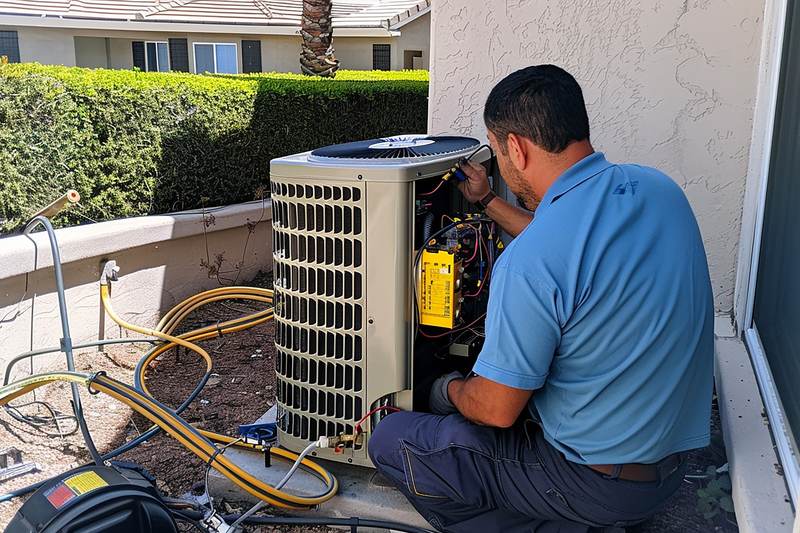
Below, you will find how these systems work, where they fit, what to weigh and what installation involves, so you can have a useful conversation with a professional.
What A Ductless Mini-Split Is
A ductless mini-split has two main parts. The outdoor unit holds the compressor, and one or more indoor units, often called heads, sit on a wall or ceiling inside the home. A thin bundle of lines runs through a small opening in the wall to connect them.
Because there are no large ducts to build, the system can reach places that a traditional setup cannot. That is the reason homeowners with radiators, baseboard heat or a room with no vents often start here.
How A Mini-Split Heats And Cools Without Ducts
A mini-split moves heat instead of burning fuel. In cooling mode, the indoor unit takes heat out of the room and sends it outdoors. Many models can run in reverse during the cold months and bring heat in, which is why you will see them described as ductless heat pumps.
Each indoor unit has its own controls, so you set the temperature room by room. That is often called zoning. A bedroom can stay cool at night while a home office stays comfortable during the day, and rooms you rarely use do not need to be conditioned the same way.
The air is delivered right where it is needed. Since nothing travels through long duct runs, there are no leaky seams to worry about, which is one of the quiet benefits of going ductless.
Where Ductless Systems Make Sense
Mini-splits shine wherever ducts are difficult or costly to add. Common examples include:
- Older homes with radiators, baseboard heat or no central air conditioning.
- Room additions, finished attics and basements that were never part of the original system.
- Sunrooms, garages converted to living space and home offices.
- Rooms that always seem warmer or cooler than the rest of the house.
They can also work well alongside an existing system. If one part of the house never feels right, adding a single indoor unit there can ease the load on the main equipment without redoing the whole house.
Benefits And Trade-Offs To Weigh
The benefits are easy to see. You get heating and cooling without ductwork, control over each zone and a system that fits spaces other equipment cannot. Installation usually involves less disruption to walls and ceilings than a ducted system would.
There are trade-offs, too. The indoor units are visible on the wall, and some people dislike how they look. A larger home may need several heads, and the more rooms you cover, the more planning the project takes. Layout matters, because a mini-split works best when air can move freely around each unit.
It also pays to be honest about what you expect. A well-chosen system keeps a space comfortable, but no equipment fixes a drafty room or poor insulation. Sealing and insulating the space often goes hand in hand with a good installation.
Installation
Choosing the right size is the most important part of the job. A unit that is too small struggles to keep up, while one that is too large can cycle on and off and feel less comfortable. A licensed installer looks at the size of the room, its insulation, the windows and how it is used before recommending equipment.
Installation involves handling refrigerant, running electrical connections and mounting equipment on both sides of the wall. These are skilled tasks that carry real safety and warranty considerations, so they belong with licensed professionals. Aero Energy provides HVAC installation and service, which means one team can plan and complete the work. You can read more about our cooling and heating systems to see what we offer.
A good installer will also explain where the indoor units should go, how the lines will run and where the outdoor unit will sit, so there are no surprises on installation day.
Care
Mini-splits ask for simple, regular care. Clean or replace the filters in the indoor units on the schedule the manufacturer suggests, keep the outdoor unit clear of leaves, snow and debris, and schedule a professional check each year.
Pay attention to changes. If a unit stops cooling well, makes unusual noises or leaks water, have it looked at rather than waiting. Our list of reasons an AC isn’t blowing cold air covers common causes, and a technician can take it from there.
Is A Ductless System Right For You?
Start with the spaces that give you trouble. List the rooms that need heating, cooling or both, note what kind of heat you have now and think about how much of the house you want to cover. A conversation with a licensed HVAC professional turns those notes into a clear plan.
We are glad to help you think it through, and we will tell you plainly when another option makes more sense for your home.
FAQs
What is the life expectancy of a ductless mini split?
Many systems serve a home for years, and how long yours lasts depends on the quality of the installation, how heavily it is used and how well it is kept up. Regular filter cleaning and a yearly service visit are the habits that help most.
Are ductless mini splits and heat pumps the same thing?
Often they overlap, though some models only cool, so ask which type you are being quoted before you decide. Check which type you are being quoted so you know what the system can do in winter.
Where should you not install a mini split?
Skip any spot where curtains, tall furniture or a tight corner would block the airflow, and any place where the outdoor unit cannot get clear space. Leave the final placement to a licensed installer, who works from the manufacturer’s requirements.
Contact Aero Energy to talk through ductless options for your home. We will listen first and help you choose what fits, with no pressure.